Water Damage Restoration in Baton Rouge, Done Right
Wet floors, soaked walls or a flooded basement? Secondaryfailure Restoration connects you with an independent local provider who can dry the house properly and protect its value.
- Independent local providers across the Greater Baton Rouge area
- Water extraction and drying
- Flooded basement cleanup
- No obligation to hire
Our Services
Three services cover most wet-home situations in Baton Rouge. Pick the one that sounds closest, read the details, and request an estimate. A provider can adjust the plan once they see the space in person.
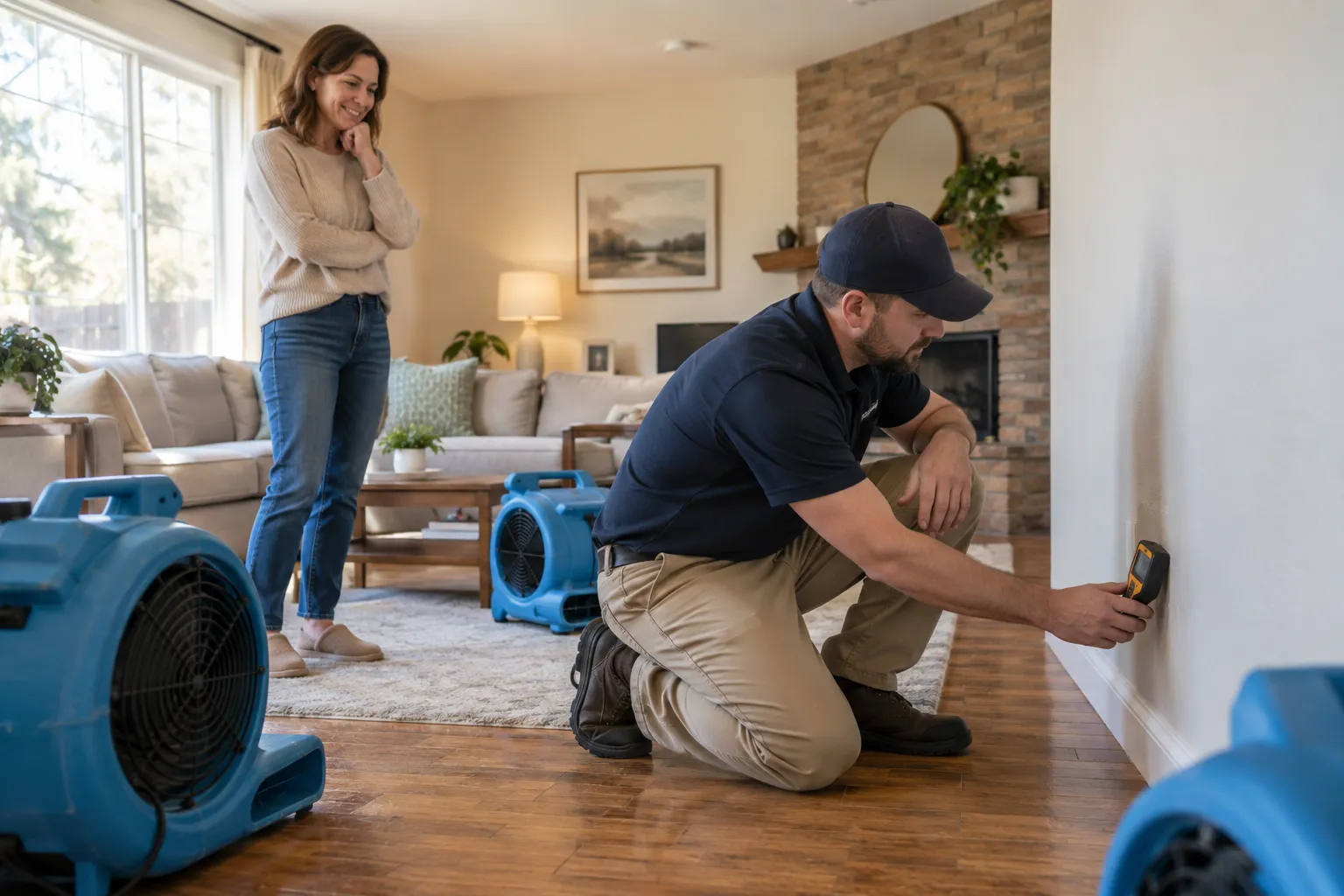
Water Damage Restoration
A floor that looks dry can still hide wet walls, and that hidden moisture is the real problem.
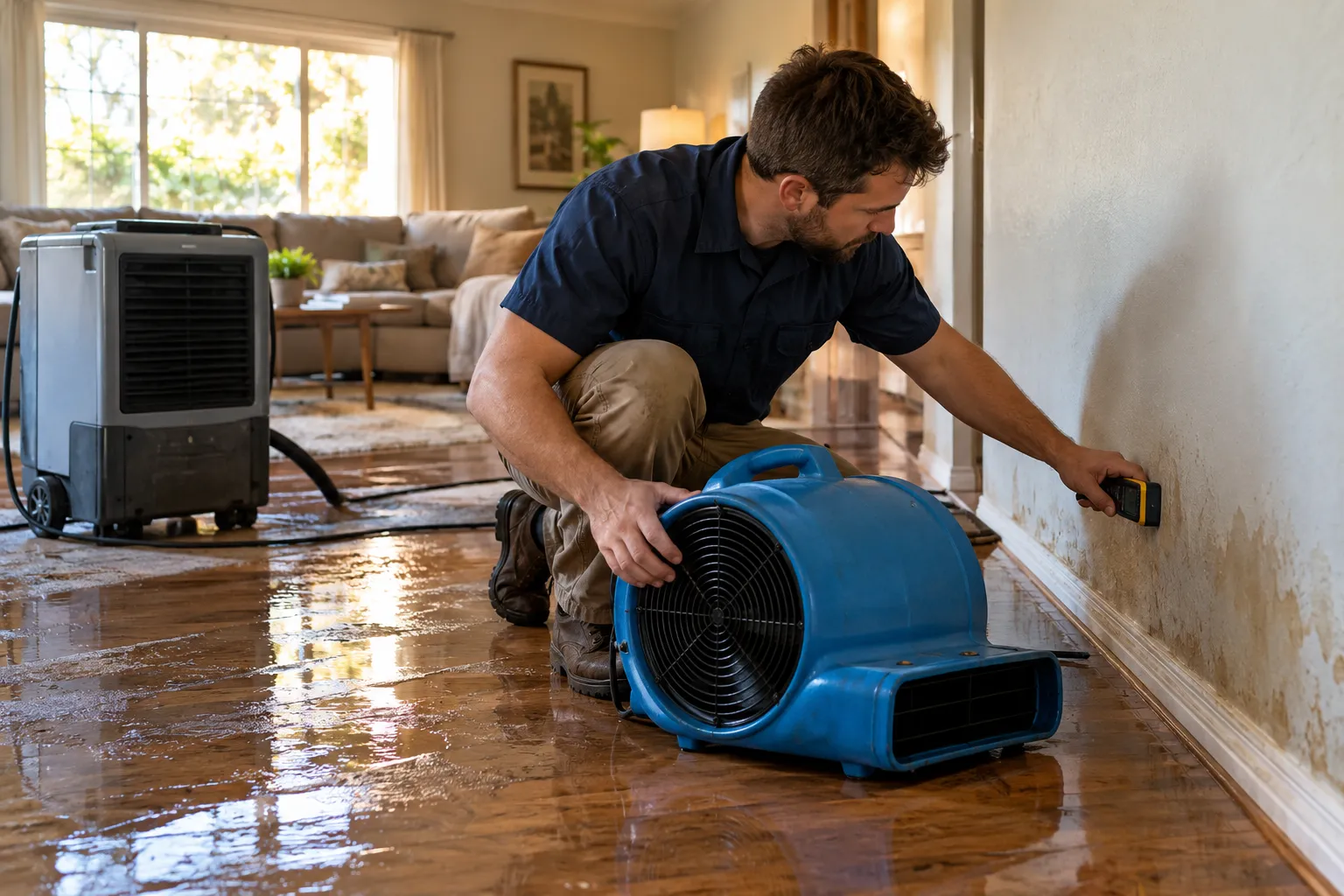
Read more about Water Damage RestorationWater Extraction & Structural Drying Services
Removing standing water is step one; drying the floors, walls and framing behind it protects your home.
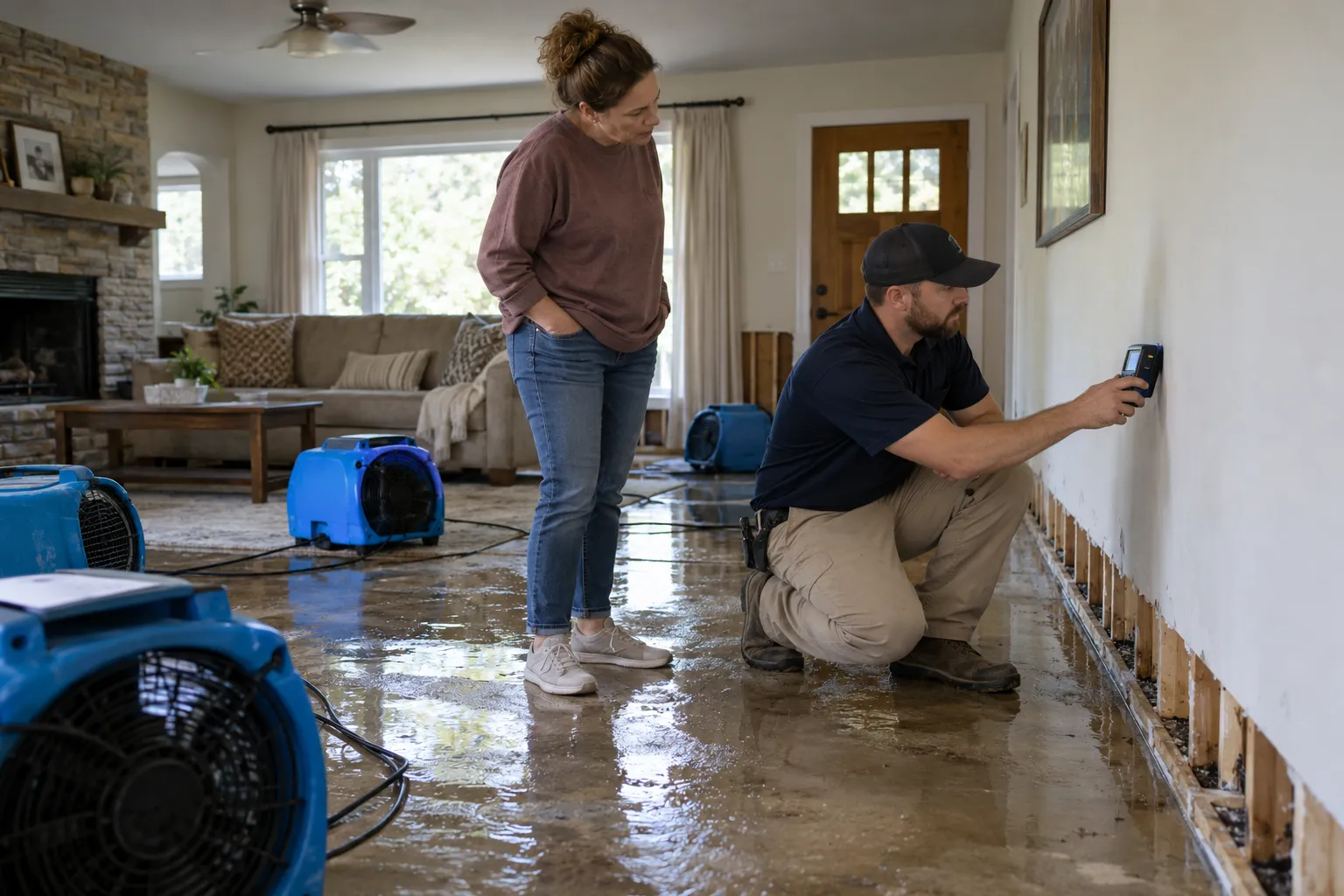
Read more about Water Extraction & Structural Drying ServicesFlooded Basement Cleanup Services
A wet basement needs more than a mop, and a local provider can help you plan the right next steps.
Read more about Flooded Basement Cleanup ServicesWet Floors Are Rarely Just Floors
A lot of people think a wet floor is a mop-and-fan job. In practice, the water you can see is often the smaller part of the problem. It slips into subfloors, drywall, insulation and framing, and it can stay there for weeks.
Secondaryfailure Restoration is a referral service for homeowners in Baton Rouge, LA. We connect you with independent local providers who handle water damage restoration. The providers do the work. We help you reach them.
In the Greater Baton Rouge area, warm, humid air makes wet materials slow to dry on their own. Mold can start in a day or two when the air feels like a sauna. Quick, proper action protects your home, and it protects what the home is worth when you sell.
Request a callback to check provider availability and talk through what happened.
Prefer to write it down first? Use the request form instead. Tell us where the water came from, what got wet, and when it started. That is enough to begin.
How It Works
How the referral works
You tell Secondaryfailure Restoration what happened. You can call or send a short request. Then you are pointed to a local provider in our network who serves your part of the Greater Baton Rouge area. You talk with the provider directly, ask your questions and decide if it feels right. There is no obligation to hire anyone.
What the provider does
A common myth says restoration is just drying. It is more than that. A solid job usually follows these steps:
- Find and confirm where the water came from
- Remove standing water with pumps and extractors
- Check walls, floors and insulation with moisture meters
- Set up fans and dehumidifiers for structural drying
- Clean and treat surfaces, then take readings until everything is dry
That last step matters most for your home's value. Dry readings on paper show a future buyer or inspector that the job was finished, not just hidden.
What this service is, and is not
Secondaryfailure Restoration does not send crews or do repairs. Independent providers do the work and set their own prices, schedules and terms. Our part is to make the first step easier, so you are not scrolling through listings while your floor is wet.
Why use a referral at all
When water is spreading, it is hard to tell who is local, who is available and who fits your kind of damage. A referral narrows the search. You still get to compare, ask for a written quote and choose.
Serving Baton Rouge and Nearby
Secondaryfailure Restoration connects homeowners across Baton Rouge and the Greater Baton Rouge area with independent providers. Coverage depends on the provider, so availability can differ by neighborhood and by day.
This region has its own pattern. Heavy downpours and tropical storm season can push water through roofs, windows and low doorways. Hot, humid summers keep the air heavy, so damp drywall and carpet dry slowly. Winters are mild, but a rare hard cold snap can split a pipe in an unheated attic or crawl space.
Home style matters too. Many houses here are slab-on-grade ranches with brick or vinyl siding. Water on a slab spreads under flooring and behind baseboards. Very hot attics can stress supply lines and air handler drain pans, which sometimes leak into ceilings. Older pier-and-beam homes have a crawl space that can hold damp air under the floors.
Whatever your house looks like, the next step is the same. Send the details, and a provider can talk through what to expect.
What Homeowners Should Know First
Myth: if it looks dry, it is dry
Surfaces dry first. Moisture hides inside wall cavities, under flooring and in insulation. Providers use meters to find it, because your eyes and nose can miss it.
The first hours
Stay safe first. Turn off power to wet areas only if you can do it safely, and stop the water source if you can. Move small items out of the wet area. Take photos before you move too much.
The first few days
Drywall, baseboards and carpet pad start to swell and stain. Wood floors can cup. In humid weather, musty smells can show up fast. Extraction and drying early can mean less to tear out later.
After the first week
Mold becomes much more likely. Materials that could have been dried may now need to be replaced. That means a bigger job, a longer repair list and a bigger bill.
Protecting your home's value
Buyers and inspectors ask about past water. A home that was dried properly, with readings and notes to show it, gives you honest answers. Hidden damage can lead to haggling, a failed inspection or a surprise after closing.
What it may cost
In the U.S., water extraction and structural drying often runs from about $1,500 to $5,000 for a typical job. Larger or contaminated losses cost more. Flooded basements vary widely. Size, water type and materials all change the price, so get a written quote.
Insurance and paperwork
Some policies may cover sudden damage; check your policy. Providers can often help document damage for a claim. Slow leaks and rising flood water are often treated differently, so ask your insurer before you assume.
Before the provider arrives
- Take photos and short videos of every wet area
- Write down when you found the water
- Keep damaged items until they are documented
- Open no walls yourself unless it is safe
Talk to a Provider
Ready to talk it through? Request a callback to check provider availability in Baton Rouge. Have a few details handy: where the water came from, which rooms are wet, and when you noticed it.
Or use the form to request an estimate. Share your name, address and email, and a local provider can follow up. You can also write to contact@secondaryfailure.garden. There is no obligation to hire anyone.
Need help in Baton Rouge?
Tell us what happened and where. Request an estimate, and a local provider in our network can follow up with next steps.
Water Damage Questions, Answered
How fast does mold grow after water damage?
In warm, humid conditions, mold can begin to grow within a day or two on materials that stay wet. It spreads the longer things stay damp. Quick extraction and structural drying lower the chance, which is why waiting to see what happens is risky.
Can I dry a wet floor with fans myself?
Fans help with small, clean spills. They often miss water trapped under flooring or inside walls, and they can push humid air around. If more than a small area is wet, a provider can check moisture levels before you assume it is dry.
How much does water extraction and drying cost?
Typical U.S. jobs often range from about $1,500 to $5,000, and larger or contaminated losses cost more. The price depends on size, water type and materials. Prices vary by provider, so ask for a written quote before work starts.
Does insurance cover a flooded basement?
It depends on your policy and the cause. Some policies may cover sudden damage, while rising flood water often needs separate coverage. Check your policy and ask your insurer. Providers can often help document damage for a claim.
Does Secondaryfailure Restoration do the restoration work?
No. Secondaryfailure Restoration is a referral service. It connects homeowners with independent local providers, and those providers do the work, give the quote and set their own terms. You choose whether to hire one.
Secondaryfailure Restoration Is Proud To Serve the Greater Baton Rouge area
Why Choose Secondaryfailure Restoration?
Make it safe
Shut off the water source, stay clear of electrical hazards and take photos of the damage.
Reach a local provider
Request a callback to check availability, or send a request for an estimate.
Dry the structure fully
The provider removes water, sets up drying equipment and checks moisture readings.
Repair and document
Damaged materials are replaced, and records are kept for your claim and home file.
Tell us what happened
Tell us what happened and where. Request an estimate, and a local provider in our network can follow up with next steps.
No obligation